Showing posts with label Chemical Engineering. Show all posts

Sunday, December 19, 2010

Ethanol Production Industry

Do you know who is the largest ethanol producer in the world? America? Some country in Europe? South Africa? It actually depends on the geographical area that you are speaking about. Let's check out who they are...

Largest ethanol producer in the world

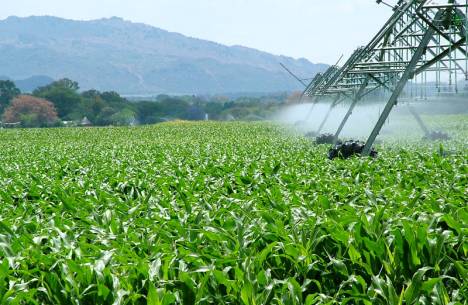
Brazil is currently the world's leader in ethanol production. Because of government subsidies, large sugarcane crops, and high sales taxes on gasoline, Brazil has built a profitable national ethanol industry. Sugarcane is grown in the country as the climate presents perfect conditions for its cultivation and production. It converts very easily to ethanol, and provides Brazil with huge supplies of ethanol.

https://blogger.googleusercontent.com/img/b/R29vZ2xl/AVvXsEiHTjQcnA9yVJAngbx5f5WdZGA0hkjAl-zBjnMHuk85E-latMUyVvj4FhtUyAbTwSSjNqx0-hLeyKHfrUe_9z-rsSyKHfJAY3gz08cD21_XEjFhxkUV_cPHWuPsXLIKmlCrkmDEA4mQg5U/s1600/corn_ethanol1.jpg


Largest producer of ethanol in the U.S.

The largest producer of ethanol in the U.S. is a company that many of us have probably never heard of. The company is Archer Daniels Midland. ADM is a company that is an agricultural giant in the United States, and has decades of experience. They have a vast network of railcars, trucks, storage facilities, and barges that are capable of delivering high-grade ethanol.

Hmmm... there are actually more to discuss and more to share about the Ethanol Producers. It's tough to share all those technical, economical and other related information about ethanol producers in a short blog post like this. To have a clearer and precise information sharing on ethanol business, I would like to recommend Ethanol Producer magazine.

The magazine is known throughout the ethanol industry for its authoritative plant construction lists, compelling profiles and engaging features on production, research, science, technology, equipment, environmental and safety compliance, marketing, policy and industry events. Most importantly it is free... Yep..no cost at all. However, I'm sorry to say only those in US, Canada and Mexico is eligible to request for it.

To get the Ethanol Producer magazine, click here.

Source:chem-eng.blogspot.com

Thursday, December 16, 2010

The difference between butter and margarine?


Margarine was originally manufactured to fatten turkeys. When it killed the turkeys,
people, all of money into the research wanted a refund so that they
put their heads together to figure out what to do with the product for their money
back. It was a white substance with no food appeal so they added the yellow coloring
and sold it to people to use instead of butter. How do you like it? They have come from
with some clever new flavorings.


DO YOU KNOW .. the difference between butter and margarine?

Continue reading to the end ... is very interesting!

Both have the same amount of calories.

Butter is slightly higher in saturated fats at 8 grams compared to 5 grams

Eating margarine can eat heart disease in women by 53% over
the same amount of butter, according to a recent study from Harvard Medical.

Eating butter increases the absorption of nutrients in many other foods.

Butter has many nutritional benefits where margarine has a few only because
they are added!

Butter tastes much better than margarine and it can enhance the flavors
other foods.

Butter has been around for centuries where margarine has been around since
less than 100 years.

And now, for Margarine ..

Very high in trans fatty acids.

Triple risk of coronary heart disease.

Increases total cholesterol and LDL (the bad cholesterol) and lowers
HDL cholesterol (the good cholesterol)

Increases the risk of cancers up to five times.

Lowers quality of breast milk.

Decreases immune response.

Decreases insulin response.

And here is the disturbing fact .... HERE is the part that IS
Very interesting!

Margarine is one molecule away from PLASTIC.

This fact alone was enough to prevent me margarine for life and
everything else, what this means hydrogen is added hydrogenated, modified
the molecular structure of the substance).

You can try this yourself:

Purchase a tub of margarine and leave it in your garage or shade.
Within a few days you will note a few things:

* No flies, not even those pesky fruit flies will go wrong (which should
Tell you something)

* You do not rot or smell differently because it has no nutritional value;
nothing to grow their pants Event Teeny Weeny microorganisms
not to grow their own homeland. Why? Because it is nearly plastic. Would
You melt your Tupperware and spread that on your toast?

Wednesday, October 20, 2010

Bioenergy

Energy obtained from biological organisms, bio-energy springs from biological sources such as wood, waste and alcohol fuels. In a small way, it is a synonym for biofuel, fuel derived from biological sources. In its broader sense, it includes biomass, the biological material used as biofuel. This is a typical myth of the masses, such as bioenergy, the energy is removed from the biomass, as biomass is the fuel and bio-energy is the energy contained in the fuel. Burning wood for heat is an excellent example of bioenergy.

https://blogger.googleusercontent.com/img/b/R29vZ2xl/AVvXsEjc4XMULqtapiDs89zW9-cLFwgrXe7r6_LViMI4eW6UJdt4FMWS2ZGd4KRgjUUTTRiQKE2h33J059LvS89q3lyICjiYsRgOHHR2r2EDYcrUy0rSiB21y6mAZcRKGLenBzMF4QBwsfL65kE/s1600/bioenergy.gif

involved in more conditions can produce bio-energy through the use of genetically modified bacteria to create cellulosic ethanol. Although oil and coal are organic matter, they are not thought to be bio-energy, because they did not live in lately. are bioethanol and biodiesel, used to replace existing gasoline and diesel, with small modifications to the engine, bio-energy in the real world circumstances Liquid bioenergy use.

Some major car manufacturers already support this technology and it will spread more and more. Sugar cane, sugar beet and maize are usually used to supply fuel. Biodiesel comes from edible vegetable oils. Waste cooking oil biodiesel can. Biogas from methane and CO2 is produced and is produced from biomass, such as fertilizers, sewage sludge, waste water, raw materials and other biodegradable waste.Bioenergy been the potential as a viable alternative to fossil fuels intended in some applications, even though the technology is available still not really acceptable.

Bioenergy is well suited for use in places where there is not much access to import fuel.

Plants can be grown using a particular fuel as possible, and can be grown exactly where they are needed, which reduces seriously the monetary and environmental costs and security risks associated with transport and storage of fuel. Advantages and disadvantages of bioenergy, however, reduce by burning or converting biomass pollution of the atmosphere is not complete.

Nevertheless, there are some great benefits.In many regions, biomass is more steady than solar or wind energy. This is called, the wind and solar energy made by technology performed while the energy is captured and stored in the plants. Another advantage is that bioenergy is produced by organic waste, which helps to save environmental and economic costs for their disposal.

Perhaps the biggest advantage of bioenergy is no doubt it is a fill-able natural resources that will help provide energy would be unlimited. But there are some disadvantages in the use of bioenergy. Biomass has tiny energy content for use as bulk carbon-based fuels. Therefore, the cost of labor, transportation and storage are relatively higher. Perhaps the main problems in bioenergy is recycling. Folk will not require bio-energy until there is a huge cost savings while with it, but it can not be saving much until there is a much greater need for bioenergy, or the non-renewable sources seriously expensive.